
Quick Takeaways
- Grief after miscarriage, abortion, or birth trauma is a silent, often unrecognized pain that deeply impacts your body, emotions, and self-worth.
- Unprocessed grief isn't a sign of being broken; it's a natural response that requires compassionate understanding and space for healing, free from judgment.
- Utilizing body-based tools and spiritual guidance can help navigate profound loss, allowing you to move from feeling alone to finding support and awakening.
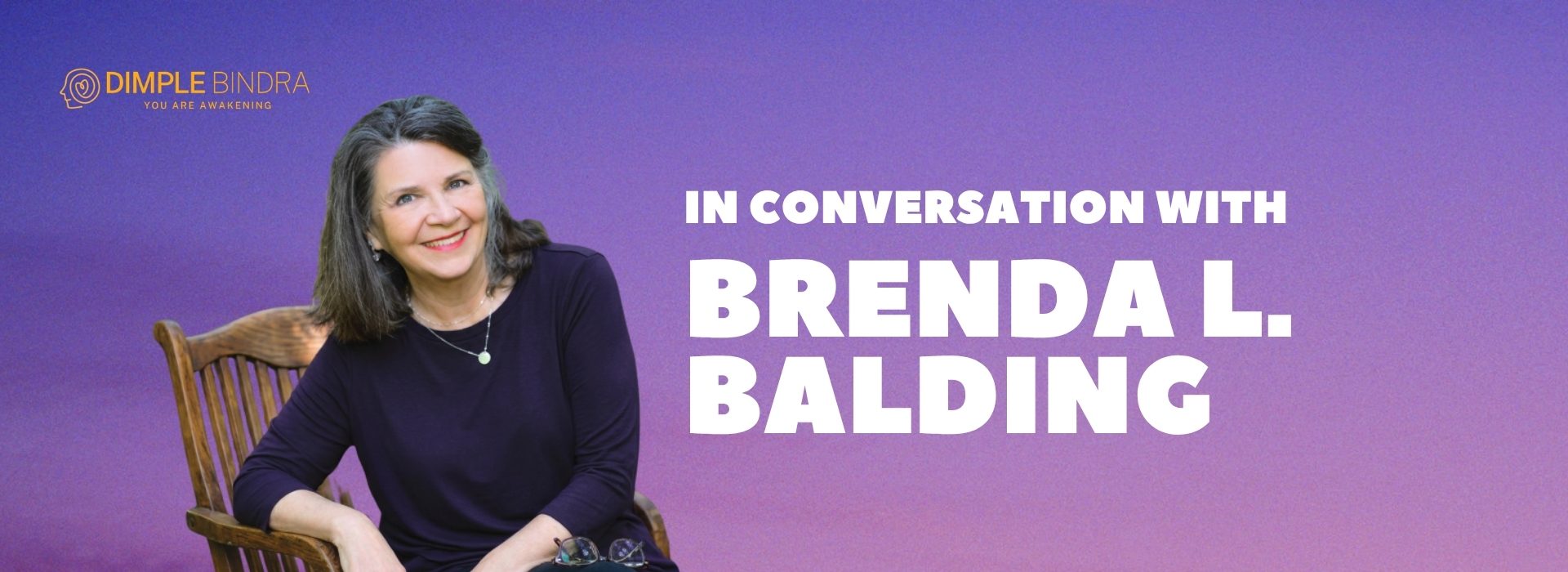
In this episode of The Dimple Bindra Show, Dimple Bindra is joined by expert guest Brenda L Balding to share essential guidance on healing and transformation.
There are some conversations that leave an indelible mark on your soul. Recently, on 𝗧𝗵𝗲 𝗗𝗶𝗺𝗽𝗹𝗲 𝗕𝗶𝗻𝗱𝗿𝗮 𝗦𝗵𝗼𝘄, I had one such powerful exchange with 𝗕𝗿𝗲𝗻𝗱𝗮 𝗟 𝗕𝗮𝗹𝗱𝗶𝗻𝗴, a nurse of over 50 years and a profound spiritual healer.
We spoke about a pain so often carried in silence: the grief that arises after miscarriage, abortion, or a traumatic birth experience. It's a wound that can linger, unseen and unspoken, impacting our bodies, our emotions, and even our deepest sense of self-worth.
I found myself thinking about all the women I've coached, the stories shared in whispers, the quiet sorrow that follows these profound losses. 𝗕𝗿𝗲𝗻𝗱𝗮 brought such compassionate wisdom to this space, reminding us that we are not broken; we are grieving, and we deserve support.
Why Does Grief After Miscarriage or Birth Trauma Feel So Silenced?
It’s a curious thing, isn't it? The world often expects us to 'get over' these experiences, to move on quickly, to simply cope. But what happens when the grief, the trauma, the unanswered questions, don't just disappear?
𝗕𝗿𝗲𝗻𝗱𝗮 highlighted that even healthy births can trigger postpartum grief. This isn't just about the absence of life, but the loss of an expectation, the shattering of a dream, or the physical and emotional ordeal itself. The emotional layers behind miscarriage and abortion are often dismissed or trivialized, leaving women feeling profoundly alone in their sadness.
This silent suffering can feel like a betrayal, not just from our own bodies or circumstances, but from a society that often lacks the language or space for this specific kind of sorrow.
How Unprocessed Grief Impacts Your Body and Soul
When we don't acknowledge our grief, it doesn't just vanish. Instead, it embeds itself within us, impacting our nervous system, our physical health, and our emotional landscape. As 𝗕𝗿𝗲𝗻𝗱𝗮 eloquently put it, unprocessed grief can manifest as chronic pain, anxiety, or a lingering sense of unworthiness.
Our bodies hold the score of our experiences. The trauma of loss, whether it's a miscarriage or a difficult birth, can make our bodies feel unsafe. This deep somatic memory requires gentle, intentional healing, not just intellectual understanding.
Creating Space for Healing: Curiosity, Not Judgment
One of 𝗕𝗿𝗲𝗻𝗱𝗮's most profound insights was the power of curiosity over judgment. Instead of asking 'Why do I still feel this way?' with a tone of self-blame, she encouraged us to approach our emotions with gentle inquiry.
'What is this feeling trying to tell me?' 'Where does this pain reside in my body?' This simple shift from judgment to curiosity creates a safe space for healing to begin. It's about accepting the validity of your feelings, no matter how long they've lingered.
Practical Tools for Releasing the Pain
𝗕𝗿𝗲𝗻𝗱𝗮 shared practical, body-based tools that can be incredibly transformative. Stream-of-consciousness writing allows us to pour out our innermost thoughts without censorship, giving voice to the unspoken.
Intuitive painting offers another path, bypassing the logical mind to express emotions that words can't capture. These aren't just creative outlets; they are powerful conduits for releasing pent-up grief and reconnecting with our innate wisdom.
She also shared spiritual guidance through powerful acronyms like GRIEF, HOW, SHAME, and JOB, offering structured frameworks to navigate the complex landscape of loss. These tools provide anchors when the emotional seas feel turbulent, helping us understand that our journey through grief is a sacred one.
You Are Not Broken: Awakening One Breath at a Time
This episode was a profound reminder that the journey through grief is unique for each woman, and there's no timeline or 'right' way to heal. The pain you carry is not a flaw; it's a testament to the love and hope you held.
To anyone who has ever felt alone in their sadness, wondering why these feelings persist, know this: You are not broken. You are grieving, and you deserve every ounce of compassion, understanding, and support. Your healing journey starts here, one courageous breath at a time.
If this conversation resonated with you, I would love for you to listen to the full episode of 𝗧𝗵𝗲 𝗗𝗶𝗺𝗽𝗹𝗲 𝗕𝗶𝗻𝗱𝗿𝗮 𝗦𝗵𝗼𝘄. Brenda's wisdom is a beacon for anyone navigating the silent, often invisible, landscape of loss.
If you're looking for practical guidance beyond today's article, my book, 𝗕𝗲𝘁𝗿𝗮𝘆𝗮𝗹 𝗘𝗥™, was written as emotional first aid for women who have been betrayed by people, power, or systems. It is not about rushing your healing. It is about helping you stabilize, think clearly, and make grounded decisions when your world feels uncertain. You can find 𝗕𝗲𝘁𝗿𝗮𝘆𝗮𝗹 𝗘𝗥™ on Amazon at: 𝗕𝗲𝘁𝗿𝗮𝘆𝗮𝗹 𝗘𝗥™.
Free Betrayal ER™ Guide
Do Not Let Emotional Shock Make Your Next Decision
If you’ve recently experienced betrayal and don’t know what to do next, download What To Do And Not Do In The First 24 Hours After Betrayal. Learn what to avoid during those first emotional hours and how to protect your peace, decisions, and future.
Connect with Dimple Bindra
If this article resonated with you, let’s stay connected. Explore more resources, book a call, or listen to the podcast.

Dimple Bindra
Dimple Bindra is the founder of Dimple Bindra Global, creator of Betrayal ER™, and host of The Dimple Bindra Show. Her work focuses on emotional stabilization, betrayal recovery, and rebuilding self-trust.