Quick Takeaways
- Betrayal trauma often originates in childhood and profoundly impacts adult relationships.
- Healing requires self-exploration and understanding the stories we tell ourselves about past betrayals.
- By addressing old wounds, we can break cycles, cultivate self-love, and attract healthier connections.
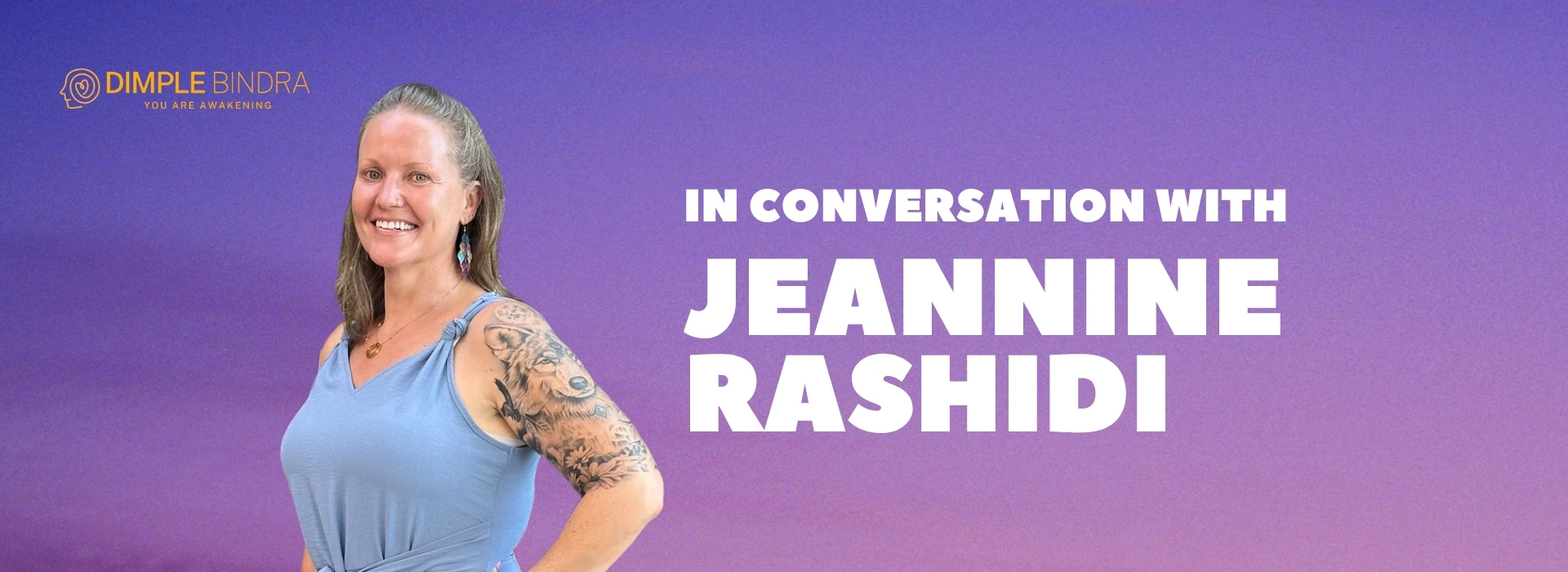
In this episode of The Dimple Bindra Show, Dimple Bindra is joined by expert guest Jeannine Rashidi to share essential guidance on healing and transformation.
Have you ever felt the profound ache of a broken trust, only to realize it echoes a much older wound? It's a feeling I know well, and it's a journey many of us walk without fully understanding its map. On a recent episode of 𝗧𝗵𝗲 𝗗𝗶𝗺𝗽𝗹𝗲 𝗕𝗶𝗻𝗱𝗿𝗮 𝗦𝗵𝗼𝘄, I sat down with a true expert who helped me, and our listeners, navigate this complex terrain: 𝗝𝗲𝗮𝗻𝗻𝗶𝗻𝗲 𝗥𝗮𝘀𝗵𝗶𝗱𝗶.
The Lingering Shadows: How Childhood Betrayal Shapes Our Adult Relationships
𝗝𝗲𝗮𝗻𝗻𝗶𝗻𝗲 brought such powerful clarity to a truth many of us instinctively feel but struggle to articulate: the deep emotional impact of betrayal often begins not in our adult lives, but in our childhood.
She shared how these early experiences, perhaps with a parent, a caregiver, or even a trusted friend, create foundational patterns. They whisper to us, often unconsciously, about who we are and what we deserve in relationships.
It's like our inner child carries a blueprint, drawing us into situations that, while painful, feel strangely familiar. This can lead to a cycle of attracting similar painful experiences, leaving us wondering, 'Why does this keep happening to me?'
Unpacking Our Stories: Strategies for Healing Betrayal Trauma
The good news, as 𝗝𝗲𝗮𝗻𝗻𝗶𝗻𝗲 beautifully articulated, is that we aren't doomed to repeat these patterns. The path to healing from betrayal trauma begins with profound self-exploration.
We need to courageously look at our own stories of betrayal, not to relive the pain, but to understand its roots. What did those early experiences teach you about trust, worthiness, and love?
By bringing awareness to these hidden narratives, we begin to reevaluate them. This isn't about blaming anyone, but about taking back your power and rewriting your own script for healthier connections.
𝗝𝗲𝗮𝗻𝗻𝗶𝗻𝗲 emphasized that developing a healthy relationship with ourselves is the cornerstone of this process. It’s about building inner resilience that no outer betrayal can shake.
From Pain to Empowerment: Attracting the Relationships You Deserve
For those who haven't experienced truly healthy relationships, the idea of attracting positive connections can feel daunting. But 𝗝𝗲𝗮𝗻𝗻𝗶𝗻𝗲 offered practical, grounded advice for healing after betrayal.
She spoke about the power of self-love, not as a fluffy concept, but as an active practice of self-awareness and compassion. It’s about setting boundaries, honoring your needs, and listening to your own intuition.
We also touched on the critical role of family dynamics in shaping our trust mechanisms. Understanding these influences helps us consciously choose different paths moving forward.
𝗝𝗲𝗮𝗻𝗻𝗶𝗻𝗲 shared powerful resources, including her 'I'm Triggered Pocket Guide' and her book, 'Abundance Beyond Trauma,' which are designed to support this journey from pain to empowerment, helping women rebuild self worth.
Healing the Self-Betrayal That Keeps Us Stuck
A truly profound aspect of our conversation explored self-betrayal. Sometimes, we unconsciously betray ourselves by ignoring our intuition, staying in situations that don't serve us, or neglecting our own needs.
This self-betrayal can keep us locked in cycles of attracting external betrayal. It forces us to ask crucial questions: 'Am I honoring my own truth? Am I making choices that genuinely uplift me?'
The journey to healing, then, is holistic. It’s about fostering self-awareness, compassion, and the courage to question our actions and choices, paving the way for profound internal and external transformation.
This conversation with 𝗝𝗲𝗮𝗻𝗻𝗶𝗻𝗲 was a powerful reminder that healing is always possible. It’s a process, yes, but one that leads us back to our truest, most empowered selves.
If this conversation resonated with you, I would love for you to listen to the full episode of 𝗧𝗵𝗲 𝗗𝗶𝗺𝗽𝗹𝗲 𝗕𝗶𝗻𝗱𝗿𝗮 𝗦𝗵𝗼𝘄. You'll find even more depth and insight into healing childhood wounds and transforming your relationships.
If you're looking for practical guidance beyond today's article, my book, 𝗕𝗲𝘁𝗿𝗮𝘆𝗮𝗹 𝗘𝗥™, was written as emotional first aid for women who have been betrayed by people, power, or systems. It is not about rushing your healing. It is about helping you stabilize, think clearly, and make grounded decisions when your world feels uncertain. You can find 𝗕𝗲𝘁𝗿𝗮𝘆𝗮𝗹 𝗘𝗥™ on Amazon at: 𝗕𝗲𝘁𝗿𝗮𝘆𝗮𝗹 𝗘𝗥™.
Free Betrayal ER™ Guide
Do Not Let Emotional Shock Make Your Next Decision
If you’ve recently experienced betrayal and don’t know what to do next, download What To Do And Not Do In The First 24 Hours After Betrayal. Learn what to avoid during those first emotional hours and how to protect your peace, decisions, and future.
Connect with Dimple Bindra
If this article resonated with you, let’s stay connected. Explore more resources, book a call, or listen to the podcast.

Dimple Bindra
Dimple Bindra is the founder of Dimple Bindra Global, creator of Betrayal ER™, and host of The Dimple Bindra Show. Her work focuses on emotional stabilization, betrayal recovery, and rebuilding self-trust.