Quick Takeaways
- A leader's well-being directly shapes their team's engagement and mental health, making self-care a non-negotiable for effective leadership.
- Trust, transparency, and intentional listening are not just soft skills; they are the bedrock of a positive workplace culture where employees feel valued and safe.
- Effective conflict management, coupled with creating space for open feedback, empowers teams to feel heard and prevents disengagement and burnout.
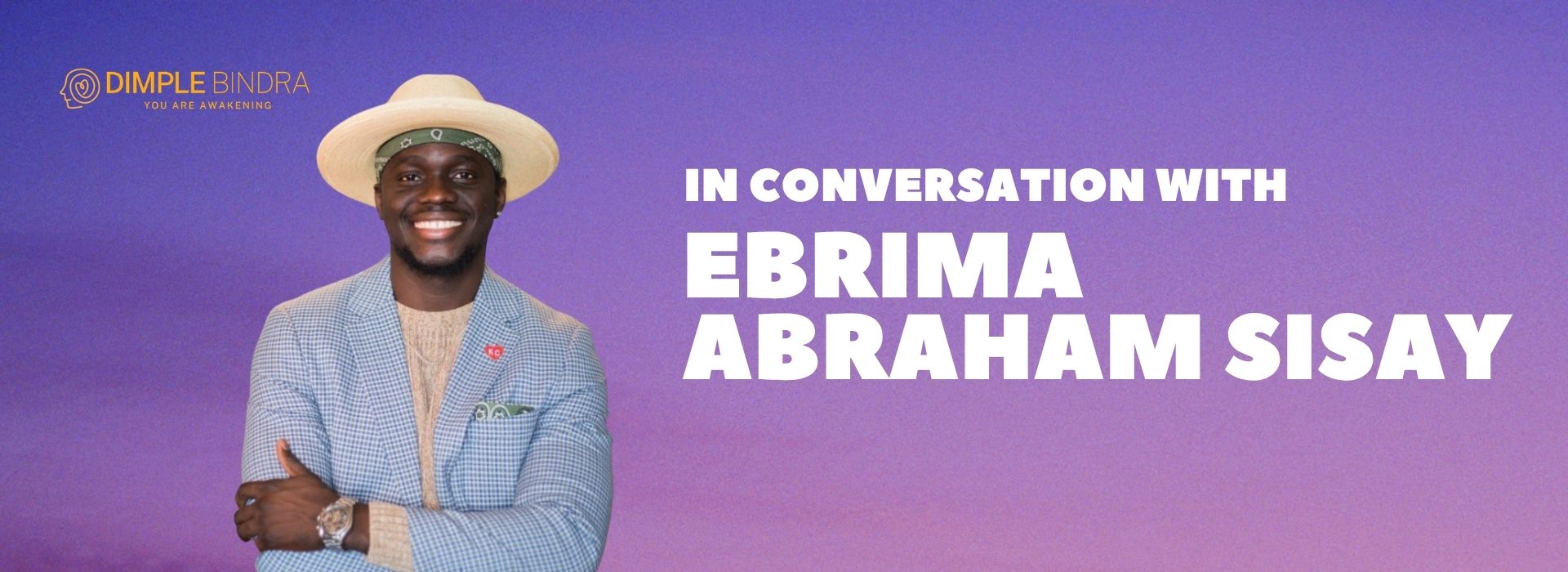
In this episode of The Dimple Bindra Show, Dimple Bindra is joined by expert guest Ebrima Abraham Sisay to share essential guidance on healing and transformation.
Welcome back to what I hope will be a transformative conversation for you, especially if you lead a team or find yourself navigating the complex world of modern work.
Today, I'm reflecting on a truly insightful discussion I had on 𝗧𝗵𝗲 𝗗𝗶𝗺𝗽𝗹𝗲 𝗕𝗶𝗻𝗱𝗿𝗮 𝗦𝗵𝗼𝘄 with a returning guest who always leaves me inspired, 𝗘𝗯𝗿𝗶𝗺𝗮 𝗔𝗯𝗿𝗮𝗵𝗮𝗺 𝗦𝗶𝘀𝗮𝘆. 𝗘𝗯𝗿𝗶𝗺𝗮 is the founder and Chief Empathy Officer at Freedom Project, now evolved into Helia. His mission? To guide a billion people to mental health breakthroughs with a unique, impact-driven twist.
When we first spoke, 𝗘𝗯𝗿𝗶𝗺𝗮 candidly shared his own journey, and I knew I had to bring him back. It's a big deal, isn't it, when men like 𝗘𝗯𝗿𝗶𝗺𝗮 feel empowered to open up about mental health? As he pointed out, the stigma is still huge, and in places like Missouri, where access to mental healthcare ranks tragically low, honest conversations are a crucial first step.
But awareness isn't enough. We need action. And that action, as 𝗘𝗯𝗿𝗶𝗺𝗮 so powerfully articulated, often starts at the top, with leadership.
The Unspoken Link: Leader Burnout and Team Well-being
I've seen it firsthand teaching yoga in tech companies: managers, the very people responsible for their teams' well-being, are often the most burnt out. It's a silent epidemic, and it begs the question: how can you genuinely support your team when your own cup is empty?
𝗘𝗯𝗿𝗶𝗺𝗮 shared a telling statistic from Gallup: almost 70% of employee engagement is determined by front-line managers. This means the CEO, the executives, they set the tone, but it's the managers who directly shape the daily experience. If managers are exhausted and disengaged, their teams will mirror that energy, leading to quiet quitting, low morale, and a pervasive sense of disconnect.
It makes perfect sense, doesn't it? A leader's state of being directly impacts the entire ecosystem of their team. If the culture is rigid, forcing a vision that doesn't resonate, employees check out. Toxic environments aren't born overnight, they're often cultivated through a lack of empathetic leadership.
Beyond Performance: Why Trust and Transparency Truly Matter
So, how do we shift from a culture of mere performance to one where people feel genuinely good about their work? 𝗘𝗯𝗿𝗶𝗺𝗮 emphasized two non-negotiables: trust and transparency.
Leaders must create space for feedback, both positive and, crucially, negative. Your team needs to feel safe enough to make mistakes, to speak their minds, without fear of punishment. Without this foundation of trust, a company's culture simply crumbles. Walls go up, departments become silos, and people do the bare minimum because they don't feel truly invested or seen.
𝗘𝗯𝗿𝗶𝗺𝗮 admitted to micromanaging early in his career, a mistake many leaders make. He learned, as I hope we all do, that intentional listening isn't about waiting for your turn to speak, it's about deeply understanding. When you combine that with transparency, being open and honest with your team, you're building loyalty that goes far beyond a paycheck.
Cultivating a Culture of Care: 𝗘𝗯𝗿𝗶𝗺𝗮's Vision with Helia
It was inspiring to hear 𝗘𝗯𝗿𝗶𝗺𝗮 share about his new endeavor, Helia, which evolved from The Freedom Project. Helia is directly addressing this critical need by focusing on elevating managers' wellness. They offer quarterly in-person wellness experiences, including things like yoga and sound baths, alongside an ongoing digital dashboard to support managers daily.
This is exactly what we need: leaders being taught how to fill their own cups so they can then genuinely care for their teams. It's 'metamorphosis, not medication' applied to the workplace - a holistic approach to well-being that starts from within.
Your Next Step as an Empathetic Leader
For any leader listening or reading this, 𝗘𝗯𝗿𝗶𝗺𝗮'𝘀 final tip was profound: manage conflict effectively. Stay neutral, set clear expectations, and most importantly, create a safe space for discussion. Listen to both sides, ensure everyone feels heard, and remember that how you handle conflict will fundamentally set the tone for your company's culture.
Imagine a world where leadership is defined by empathy, where mental health is a priority, and where teams thrive because their leaders are genuinely well. That's the vision 𝗘𝗯𝗿𝗶𝗺𝗮 and I shared, and it's a vision I believe we can all build, one intentional step at a time.
If this conversation resonated with you and you're ready to lead with more empathy and foster a truly thriving workplace, I invite you to listen to the full episode of 𝗧𝗵𝗲 𝗗𝗶𝗺𝗽𝗹𝗲 𝗕𝗶𝗻𝗱𝗿𝗮 𝗦𝗵𝗼𝘄.
If reading this made you realize you don’t have to figure everything out on your own, I invite you to book a complimentary 20 minute conversation with me. We’ll talk about where you are, what you’re navigating, and whether I can help you take your next step with greater clarity and confidence. There is absolutely no pressure. Just a conversation.
Free Betrayal ER™ Guide
Do Not Let Emotional Shock Make Your Next Decision
If you’ve recently experienced betrayal and don’t know what to do next, download What To Do And Not Do In The First 24 Hours After Betrayal. Learn what to avoid during those first emotional hours and how to protect your peace, decisions, and future.
Connect with Dimple Bindra
If this article resonated with you, let’s stay connected. Explore more resources, book a call, or listen to the podcast.

Dimple Bindra
Dimple Bindra is the founder of Dimple Bindra Global, creator of Betrayal ER™, and host of The Dimple Bindra Show. Her work focuses on emotional stabilization, betrayal recovery, and rebuilding self-trust.